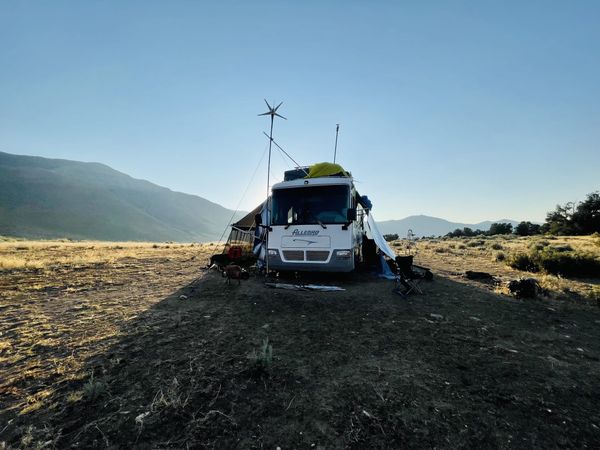
Field Notes #1: The Food At Your Feet
From "The Food At Your Feet" to MARS, join us for monthly tips, tricks, and stories about the stupid stuff we did and learn first-hand about Sustainable Living.

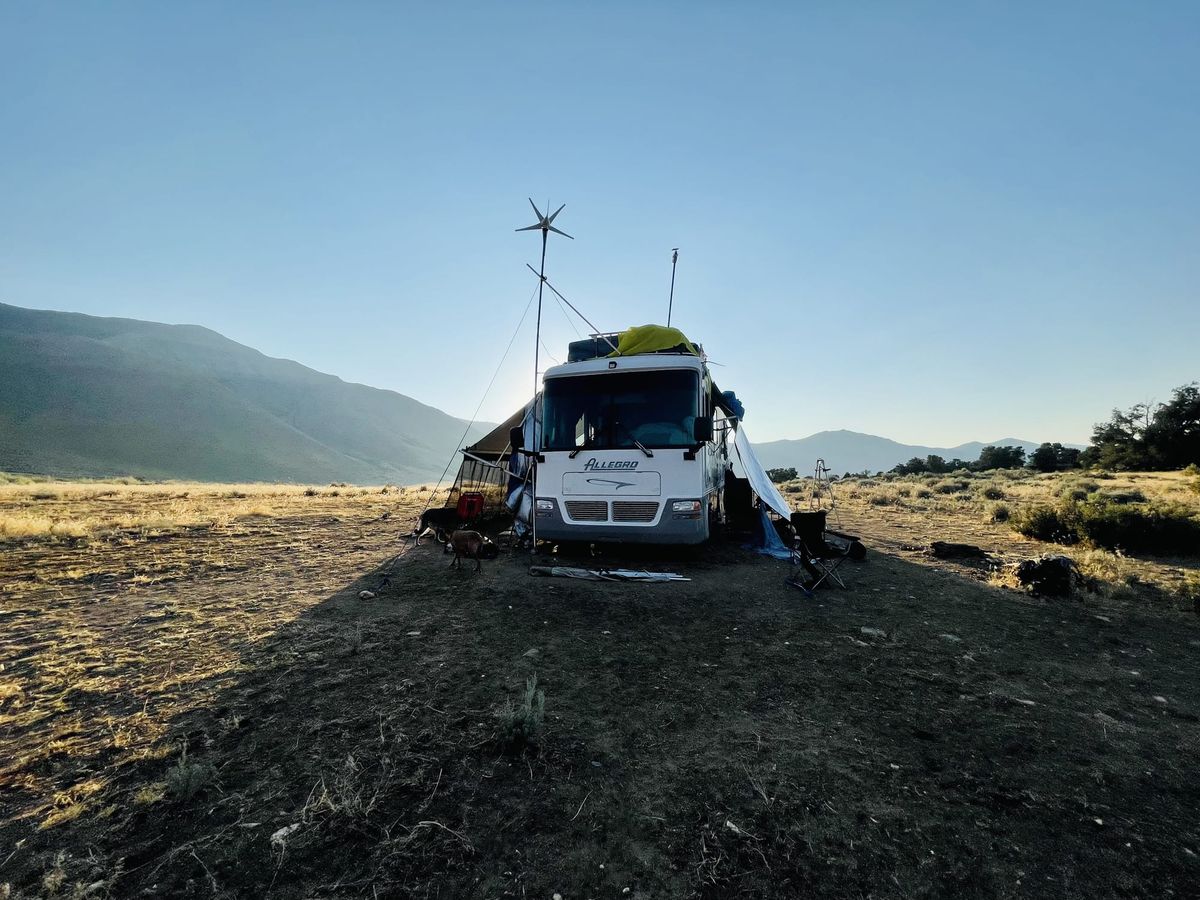
Six years, five terrains, and one motorhome named after a mountain. That's what it took to find out what actually works. This is where we hand it over.
The Debrief: The Food At Your Feet
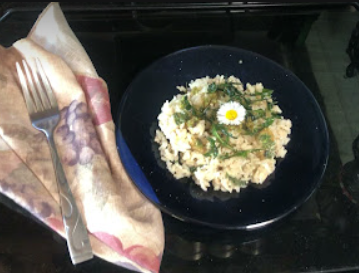
Thirty-two days on the Mogollon Rim, and by day thirty I'd run out of fresh produce. So I looked down instead of into a cooler.
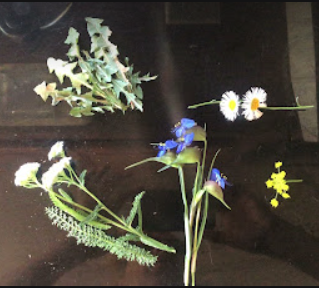
Golden asters, tangy and almost peppery. Dandelion greens — if you've spent any time in the South, you already know them. Yarrow. Daisy fleabane. Nine-leaf biscuit root. All of it growing wild, all of it free, all of it about eight inches off the ground while I'd been staring at the horizon the whole trip.
Here's the part worth practicing in your own backyard: most of what's edible is already growing somewhere you walk past every day. You don't need a wilderness permit to notice it — you need to actually look down.
One rule before you eat anything you find: identify it definitively first. Not "pretty sure," definitively — cross-reference several resources until you're certain. Misidentifying a plant is how a free salad turns into a hospital visit.
Once you know exactly what you're looking at, that's when a site like EatTheWeeds.com earns its keep — not for identification, but for how to actually use it: prep, flavor, and any medicinal value it might have.
That's ten minutes of what happened on the Rim. The other thirty-one days and change — the bat, the mud, the coyotes — that's in The Endangered Earthlings' Handbook.
— Pamela
Solutions
Somebody's doing it right, and it's the UN.
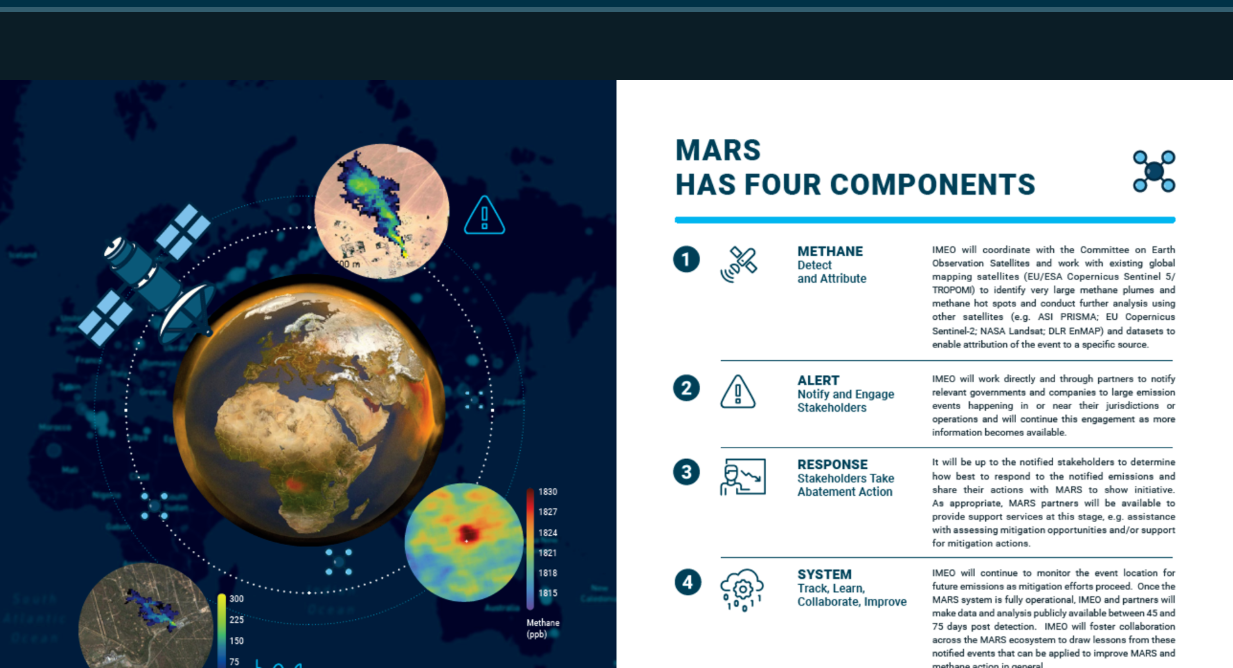
The UN Environment Programme runs something called MARS — the Methane Alert and Response System — which uses AI to comb through data from over 30 satellites and flag major methane leaks from oil and gas sites before a human ever looks at it. The AI catches 80–85% of confirmed leaks on its own. Every single one still gets checked by an actual person before anyone's notified — it's not skipping the "did a human verify this" step, it's just doing the first pass at a scale no team of analysts could touch: 12 to 15 times more data than before.
Since MARS went live in 2024, it's helped trigger over 40 real-world fixes. The climate math on that: roughly equivalent to pulling 24 million gas-powered cars off the road for a year.
That's not a hypothetical. That's a receipts-having, math-checking-out, actual difference — made by pointing a very boring, very unglamorous kind of AI at a very boring, very unglamorous kind of problem. No robot uprising required.
(Source: UNEP / International Methane Emissions Observatory)
The Ten Feet
"Take care of the ten feet of dirt around you and the earthlings within your reach to protect."
This issue, that means what's on your plate.
In the last three months alone:
- Iceberg lettuce (Taylor Farms de Mexico) — cyclospora — 1,947 illnesses, 98 hospitalized
- Jalapeños (Taylor Fresh Foods, via Chipotle and Qdoba) — salmonella — 345 illnesses, 27 states, 36 hospitalized
- Eggs (Midwest Poultry Services) — salmonella — ~1.59 million dozen recalled, 98 illnesses, just upgraded to the FDA's highest risk class
- Lactation granola (Hampton Grocers, "Lacnola") — salmonella, caught before anyone got sick
- Infant formula (Nara Organics) — botulism — 4 infants hospitalized
- Cottage cheese (La Ceiba Foods) — listeria — 12 illnesses, 1 death
- Frozen blueberries (GreenWise, via Publix) — E. coli — 12 illnesses
- Raw beef (Corte Argentino USA, imported from Argentina) — nearly 30,000 pounds recalled for bypassing required inspection
In the first book, we said the only thing standing between a contaminated ingredient and your table is regulatory oversight. Here's what's happened to that oversight in the last 20 months.
The FDA's Human Foods Program — the division that exists specifically to catch this — lost 89 staff in February 2025, including the specialists who handle infant formula safety, chemical contamination, and outbreak response. The two scientific advisory committees that set federal microbiological safety standards for meat and poultry were both dissolved that March.
USDA's workforce dropped 18% in the first half of 2025. FSIS — the agency inspecting the meat, poultry, and eggs on the list above — lost roughly 9% of its staff, 775 people, none being replaced. In that same window, complaints about the safety of meat, poultry, and egg products jumped nearly 40%, from 1,443 to 2,016.
The new Salmonella standard for raw poultry, the one that would have kept contaminated product off shelves? Shelved. CDC's national foodborne-illness tracking system went from monitoring 8 pathogens down to 2. And the FDA is currently revoking federal identity standards on 52 food products, with over 250 more under review — more than a quarter of them cheese.
That's not a coincidence sitting next to the list above. That's the mechanism.
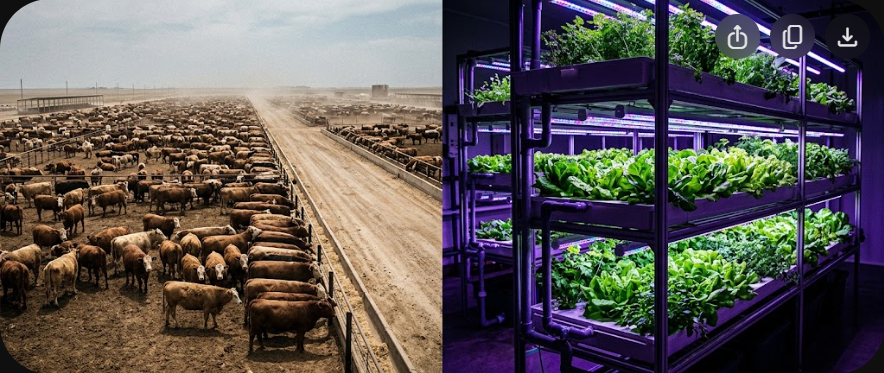
Here's the part that isn't about recalls at all — it's about the whole system. 80% of all agricultural land on Earth is used to raise livestock or grow the feed for livestock. That's most of the arable planet, dedicated to the least efficient way to get calories onto a plate.
On a single 1.5-acre plot, you can raise about 340 pounds of meat. Or you can grow roughly 37,000 pounds of vegetables on that same acre and a half.
That's not a rounding error. That's the whole argument for a survivable future, condensed into two numbers — and it's why vertical hydroponics isn't a hobby to us, it's math. We're running out of land to waste.
Eat less meat. Eat local. Grow it yourself when you can.
(Sources: Food Safety Magazine 2025 timeline; Investigate Midwest — USDA cuts; Food Dive — FDA standards revocation; Our World in Data — land for agriculture)
Within Reach
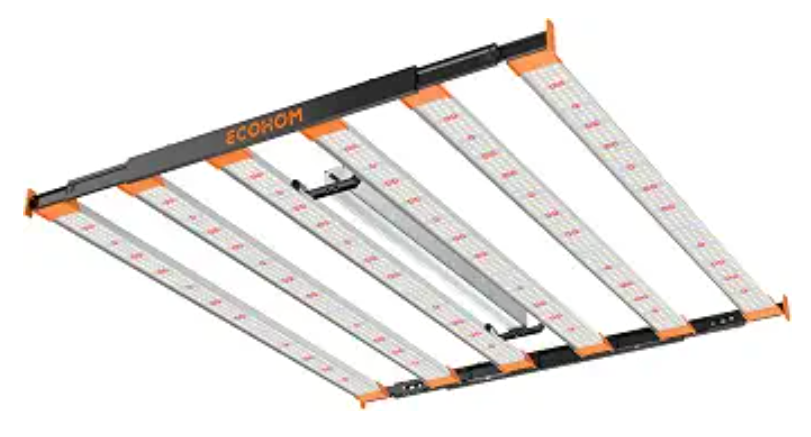
The same full-spectrum LED bar that's on our own grow-tent list — because "buy the right light the first time" is advice we're taking ourselves, not just handing out.
ECOHOM Bar 800W LED Grow Light (Full Spectrum, Dimmable) — the exact model on our Next Up list below. Covers seedling-blue through bloom-red in one fixture, so you're not rebuying lights every stage. Runs ~$237 on Amazon.
This one's simple: if you're growing anything indoors — a windowsill herb garden or a full tent — the spectrum mistake is the one that wastes the most money and the most seasons. Get one light that does all three stages instead of three lights that each do one.
Link: ECOHOM Bar 800W LED Grow Light on Amazon — plain link, no affiliate tag. As an NPO, we're sharing what we found, not monetizing the referral.
"Now time has found me. The pain has finished with me. Now I leave healed. Not perfect. Just whole."
— Pamela Erickson, The Endangered Earthlings' Handbook: Walking the Talk
Fund the Next Stupid Idea
Small confession: before any of this started, I grew a tiny hydroponic garden in Kailash — yes, the motorhome, yes, while also running solar math and losing arguments with wind turbines. It worked. It actually worked, in a rig with barely enough square footage to turn around in.
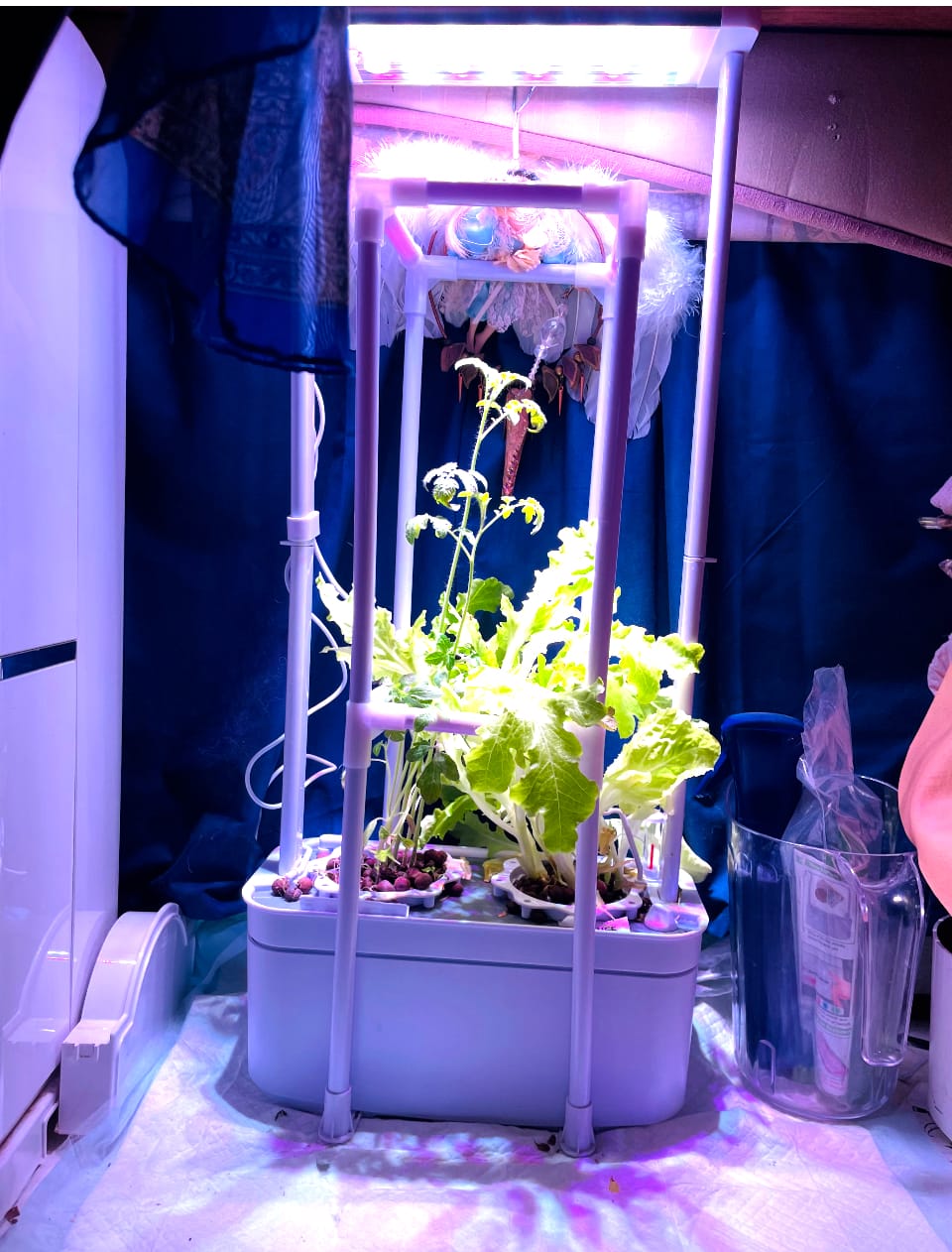
Now we're taking that same idea and scaling it up: a 5-shelf hydroponic growing system, walk-in tent, real yield — leafy greens and herbs, one shelf at a time. But this isn't just "buy a tent and hope." Two things make it worth funding instead of just another houseplant project.
Our science officer Steven is researching plant selection for the highest yield-to-nutrition ratio — not just what grows fastest, but what actually feeds you the most per square foot. And we're building a bespoke AI monitoring system into the grow itself, so what we learn from this system doesn't stay anecdotal — it becomes real, trackable data we can show you and reuse on the next project.
Proof that food security doesn't require a farm. It requires about $2,000 and the willingness to be wrong a few times first.
We're not there yet. Here's exactly what "there" looks like:
Next Up
The grow setup — planning stages, in full. Every item, and why it's on the list.
- Gorilla Grow Tent 4x8 PRO (Original line, height-adjustable) — $297.98
- 5-Tier heavy-duty wire shelving unit — ~$145
- 2'x4' flood trays, qty 5 (one per shelf) — ~$479 total
- Submersible water pump, 800 GPH — ~$26
- Master reservoir (20–30 gal) — ~$25–$30
- Tubing/manifold kit — ~$25–$35
- Barrina T5 4ft grow lights, qty 5 (one per shelf) — ~$225–$275 total
- Ventilation kit — 6" inline fan, carbon filter, ducting — ~$130
- Digital timers, qty 2 (lights + flood cycle) — ~$40
- 4-in-1 pH/EC/TDS/temp meter — ~$30
- General Hydroponics Flora Series nutrient bundle — ~$40
- Growing medium / net pots — ~$35
- Seed & plant-variety selection (Steven's yield-to-nutrition research) — ~$50
- AI monitoring system (in development) — ~$250
- Misc supplies (cords, clamps, spares) — ~$40
Estimated total: ~$1,850–$2,050 — the ask stays $2,000 to cover shipping and whatever prices do between now and checkout.
The tent is the real grow space — light-proof, ventilated, tall enough to stand up in. We upgraded this from our original pick after realizing the budget version wouldn't actually block light the way we needed. Cheap and light-proof aren't always the same tent.
The shelving unit holds five separate flood trays, stacked. Each shelf runs on its own, so a bad week on one doesn't take out the others — and because everything's flat and accessible, it's actually maintainable long-term, not just on move-in day.
The lights are the part that actually matters most, so here it is straight: plants don't want the same light their whole life, and this is where most first-time growers quietly fail. Seedlings want cooler, blue-heavy light — it keeps growth compact and pushes root development instead of a tall, weak stem reaching for light that isn't there. Once a plant hits veg and flowering, it wants warmer, red-heavy light instead, which is what actually drives flowering and fruiting. Get the spectrum wrong — leave a plant on seedling-blue light through its whole life, say — and you get a tent full of nice green leaves that never actually fruit. One light per shelf, sized right for that shelf, walking each one through the same seedling → veg → bloom progression.
The pump, reservoir, and tubing move water up to all five shelves and back down again — one system, one point of failure to watch, not five separate ones.
Ventilation and circulation keep hot, humid air moving out and fresh air in — a sealed tent with no airflow cooks plants and breeds mold within days.
The timers enforce two schedules that don't care if we forget: the light cycle above, and a separate flood-and-drain cycle for the trays.
The meter and the nutrients are the hydroponics version of soil — since there's no dirt to buffer a mistake, the water chemistry has to be right, and what feeds a seedling isn't what fruits a mature plant.
We're not just planting whatever's cheap. Our science officer Steven is selecting plant varieties specifically for the highest yield-to-nutrition ratio — what actually feeds you the most per square foot, not just what grows fastest.
There's also a bespoke AI monitoring system in development for this grow. What it tracks and how stays in-house for now — but it's what turns this from a nice garden into real, reusable data we can show you and build on for the next project.
Everything else on the list is what holds it together — literally, in the case of the growing medium, and figuratively, in the case of the buffer for cords and clamps and the inevitable "why didn't we buy two of these."
This is the whole plan. Chip in above, and we'll show you every step from here.